SPEAKERS´ PRESENTATIONS

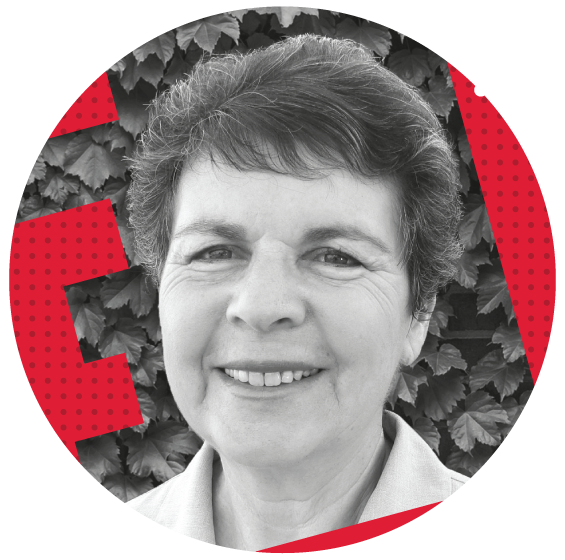


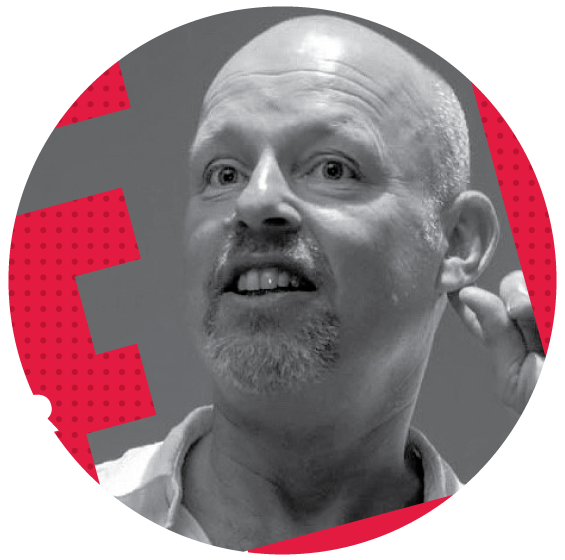
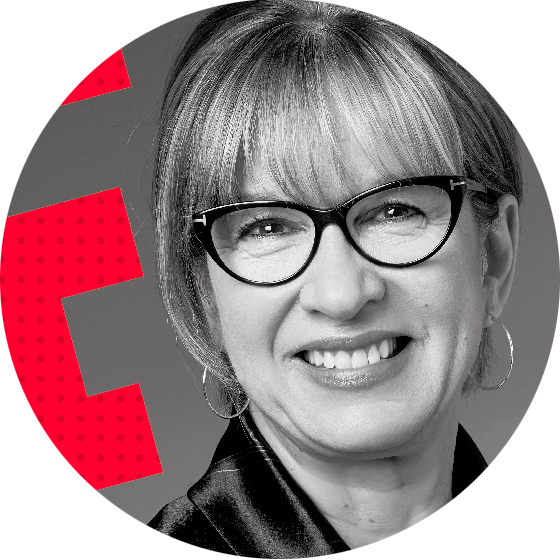
Claudia Ferradas

Mariano Quinterno

Gerardo Valazza
CONCURRENT SESSIONS

Ayub, Marianela
Repetto, Andrea
ENHANCING YOUR CLASS THROUGH CO-TEACHING AS A PROFESSIONAL DEVELOPMENT TOOL
ENHANCING YOUR CLASS THROUGH CO-TEACHING AS A PROFESSIONAL DEVELOPMENT TOOL
Biodata. Marianela Ayub is a graduate of the LITTI – London International Teacher Training Course (LITTI), International House Montevideo in collaboration with the University of London. She holds an Advanced Certificate in the Teaching of English to Speakers of Other Languages issued by Institute of EducationUniversity of London. Prof. Ayub has been teaching English for more than 17 years. She is currently teaching adults and IE courses at Alianza Pocitos-Punta Carretas. Additionally, she works at St. Brendan’s School teaching at PYP and MYP levels. Since 2010 she has been carrying out a research on Co-teaching and has been presenting both nationally and internationally her findings on the topic. Member at large at URUTESOL and Proposal Reviewer for TESOL International.
Biodata. Andrea Repetto holds a TEFL Diploma from Alianza Uruguay-EEUU in Collaboration with the University of Maryland. She has been teaching English for many years. She started her career teaching young learners at schools in 1997 where she conducted a research in Cooperative Learning. She specialized in teaching children taking a one-year course “Maximizing Teaching at Schools” in 2000 at Dickens Institute. Currently she works at Alianza Pocitos-Punta Carretas teaching children, adults and teenagers and at the Public School with Primary levels. She has been engaged with Co-teaching since 2010 and carried out a research on its benefits. She has presented at several events held in Argentina, Brasil, United States and Uruguay. Member at large at URUTESOL.
Abstract. Are two teachers better than one? Would both students and teachers benefit from a collaborative approach? In this presentation, we will take an innovative look at co-teaching from our experience, evaluate its effectiveness and analyze the benefits that arise from each teacher’s contribution.

Benévolo França, Valéria
CRAFTING PUPPETS AND TELLING STORIES: LUDIC LEARNING FOR YOUNG LEARNERS
Biodata. Valéria França (PhD in Applied Linguistics) did her ELT training at International House London. She was the Head of Teacher Development at Cultura Inglesa Rio for 15 years. She now is the Head of the Edify Institute, for teacher educational development. She is a BRAZ-TESOL Past President.
Abstract This talk will show how young learners (aged 5 to 6), who crafted their own puppets and then created very short stories, were able to engage in an experiential language learning cycle. Through this ludic and playful experience (Huzinga, 1950), an enjoyable and safe learning environment was created (Winnicott, 1971), which fostered learners’ engagement, motivation and encouraged the use of new language (Piaget, 1962 & Vygotsky, 1966). It will also explore the challenges teachers face when working through experiential learning cycles.
CABRERA, CECILIA
LEADING LEARNING EFFECTIVELY
Biodata. Cecilia Cabrera is an experienced educational leader who has worked in the field for more than 20 years. She is a successful innovative leader who demonstrated to be an effective team builder and project manager. She has been accredited by Cambridge as Programme Leader for Educational Leadership Professional Development Qualifications. She has delivered workshops on leadership in Uruguay, Argentina, Brazil and UK. She holds several postgraduate and at the moment she is preparing her dissertation to earn an MA in Professional Development for Language Education, through NILE, of the University of Chichester.
Abstract. Learning either for learners or teachers requires an effective leader. In this workshop, the audience will receive brief theoretical background that supports the benefits of effective leadership at school. The audience as well will get guidelines and strategies to put into practice in their teaching or leading contexts, straightaway.
CID, FERNANDO
TALK TO THEM - A Succinct Guide to Giving Effective Feedback to your Students and Your Team
Biodata. For the last 14 years, Fernando Cid has been the Head of In Company Training with Anglo which adds on to his more than 20 years of experience as an EFL teacher and trainer gained at both school level and the corporate context. Fernando is also a Speaking Examiner for Cambridge First, Advanced, Proficiency, BEC and IELTS. He is currently in the second year of an MA in Professional Development for Language Education in conjunction with the Norwich Institute of Language Education and the University of Chichester. As a presenter, Fernando has given talks in Uruguay (Anglo Congress and LABCI Montevideo), Mexico (LABCI 2017) and Argentina (Share Conference and Share to Lead) among other events.
Abstract. Feedback, in Stephen Covey´s words, often tells you more about the person who is giving it than about you. One of the aims of this talk is to go over the obvious benefits- and also some of the potential pitfalls- inherent to giving feedback both to your students and, if in managerial positions, your team of collaborators and assistants. Giving feedback is not an easy task and in some cases, and for understandable reasons, an ominous challenge. This talk will go over some of the fears behind plucking up the courage to talk candidly to others and analyze a few practical examples of both successful and unsuccessful instances of feedback.

CORBETT, JOHN
CONVERSATIONAL STORYTELLING
Biodata. John Corbett is currently CAPES International Fellow and Visiting Professor at the University of Sao Paulo in Brazil. He was previously a Full Professor of English at the University of Macau, where was Head of the English Department. He has considerable teaching and research experience, and has published widely in language education, corpus linguistics e.g. An Intercultural Approach to English Language Teaching (Multilingual Matters, 2003), and Intercultural Language Activities (CUP, 2010).
Abstract. Conversational English is one of the most common and yet challenging topics to tackle in the language classroom. What is face-to-face conversation for? What does it sound like? Can ‘authentic’ conversations be replicated in class? What kind of behaviour is involved for speakers and listeners? Do males have the same kinds of conversations as females? Does conversational behaviour change from place to place – for example, do Uruguayans converse in the same way as Londoners or people on the south side of Miami? This workshop considers the cultural basis of conversational discourse, practises different kinds of conversational storytelling, and looks at ways in which you can tweak your classroom activities to make the conversations sound more realistic.
DREVER, NICHOLAS
PROMOTING CRITICAL THINKING IN THE ENGLISH AS A SECOND LANGUAGE CLASSROOM
Biodata. I completed a BA from Queens University and an MA from the University of Toronto, focusing on second language acquisition. I moved to Uruguay in 1999 and since 2003 I have worked at The British Schools, becoming an IB examiner and specializing in Theory of Knowledge since 2011, gaining a fascination for the importance of critical and creative thinking.
Abstract. The aim is to demonstrate how critical thinking is a natural extension of language work and adds an important value to student academic development. The workshop explores the various definitions of critical thinking, situating its importance in our 21st century context. The available literature on critical thinking in an English language classroom will be examined, putting emphasis on proven methods and strategies. English language exercises and tasks will be adapted to incorporate critical thinking skills.
FeRNáNDez, MARTINA
FRADe, VIRGINIA
HOW TO CREATE AN INCLUSIVE CLASSROOM? INCORPORATING GENDER EDUCATION
Biodata. Profa. Martina Fernández, co-responsible of Media Literacy to Convert a Gender Biased Society, is consolidating proven expertise in gender studies and Human Rights Education. She is a teacher trainer at CERP del Centro. She has delivered talks and workshops in numerous academic events including the Teacher Conference 2019 in Cambodia
Biodata. Mag. Virginia Frade, co-responsible of Media Literacy to Convert a Gender Biased Society, has a vast academic and professional experience linguistics and literary studies. She is a teacher trainer at IPA and CERP del Centro. She participated in two scholarships by the American government and has published in seven countries.
Abstract. The inclusive classroom era is on us, but what kind of inclusion do we encourage? Gender Education is an approach which allows for all individualities to take part in the teaching-learning process while developing strong communities based on respect, solidarity and empathy. As we have seen it with our students, this approach fosters strong bonds among teenagers and prevents bullying by addressing sensitive topics that our students experience everyday. Also, students become agents of change in their community as they acknowledge social issues that affect them and are prone to change; thus social transformation is encouraged through active citizenship.
FeRNáNDez, SCARLET
STRATEGIES FOR TEACHING INTERCULTURAL COMPETENCE
Biodata. General English and Business English teacher with a Teacher Training Certificate from the Alianza Institute in Uruguay and a degree in Political Science and Modern Languages from the University of Los Andes (Mérida – Venezuela). Dedicated professional with experience teaching business English to adults, preparing students for English International Examinations and ESL materials writer.
Abstract. It is widely accepted that international communication goes beyond learning a language and that our Business English students need to learn about mediation and global communication skills. This has represented a challenge because how can we teach intercultural competence in a meaningful way? Which activities and strategies should we consider? Is there a framework that we can use? This presentation will answer those questions by showing the results of an action research with the idea of implementing different strategies for teaching intercultural communication, as well as presenting engaging activities to boost our students´ global communication skills and creating a framework to help business English teachers when working with intercultural communication topics.

FeRRARO, ANALíA
THE ROLE OF STORYTELLING WITH VERY YOUNG LEARNERS
VER PRESENTACIÓN
Biodata. Teacher of English and Translator, Instituto Nacional Superior en Lenguas Vivas. MA in ELT and Applied Linguistics, Thames Valley University. Pedagogic Coordinator at AACI.
Abstract. In this talk, we are going to analyse how we can use stories with very young learners in an EFL context taking them as an enjoyable starting point for a wide variety of language related activities. The idea is to discuss what stories are the most suitable ones for this age bracket, how to go about storytelling and also define the role storytelling has in language learning with pre literate kids.
FLORettA, VERóNICA
WHY DO EFL TEACHERS NEED TO KNOW ABOUT ASSESSMENT?
Biodata. Verónica Floretta has over 15 years’ experience in the field of ELT and Assessment. She has been in charge of the English Department at St. George’s Secondary School, successfully trained students for CPE and CAE Cambridge examinations and worked for The IB Association in the MYP programme. She has been providing training to in service teachers locally and has lately been presenting papers regionally and internationally. She is an Instituto de Profesores Artigas graduate and holds an MA in Educational Assessment from Universidad Católica del Uruguay, as well as a Certificate in School Management and Leadership from Harvard University.
She is currently working as an EFL teacher and a Lecturer in the Assessment for Learning Diploma in Universidad Católica del Uruguay. Her book on Diagnostic Tests Validity was published by Editorial Académica Española in October 2018.
Abstract. Participants will be able to explore and analyze a differentiated activity for an EFL middle school classroom. They will discover the value of thinking about assessment before designing learning experiences in order to avoid bias and ambiguity. A brief theoretical framework on assessment and differentiation will be presented to guide the analysis. The workshop will begin with a brief presentation on differentiated instruction to provide a framework for the activity to be analysed. A differentiated activity will be given to participants together with a set of questions to guide the analysis. After socializing their analysis and sharing the many different and valid interpretations, they will see the Table of Specifications previously designed for that activity and will become aware of how biased assessment can be if not thought beforehand. To round up the workshop, a slide with the nuts and bolts for thinking about assessment will be provided.
GALLeNO, MARíA jOSé
GETTING STUDENTS GRIT ON: HELPING TO CREATE RESILIENT STUDENTS
Biodata. María José teaches English at the Anglo and is a moderator and teacher trainer for the British Council. She is the Learning Technologist at St Brendan’s School. She holds an MA in Digital Technology, Communication and Education and an MA TESOL. She is a Cambridge ESOL oral examiner.
Abstract. In this day and age resilience has become a must have skill to survive. Resilience gives independence and independence requires resilience. This independence that students achieve can be linked to understanding how they learn. Little (2002) states it is essential for learners to become aware of themselves as learners; thus the teacher has to create these instances where students’ personal understanding needs to be made explicit. It is through this personal growth that all can attain the autonomy that is needed to function in the 21st Century.
GHeRARDI, MARCIA
FEEDBACK – MAKING LEARNING VISIBLE
Biodata. Marcia is an Academic Coordinator at Cultura Inglesa. She holds a Master’s degree in Applied Linguistics from UFRJ and also degrees in English Language (UVA-RJ) and in Group Development (FML-RS). Her main interests are related to the Teacher Development area.
Abstract. Showing students how much they have achieved in their learning process and the way to go further is a must when embracing learning visibility. As Hattie (2017) mentions, the three main questions to bear in mind when supporting students’ learning enhancement are: “Where am I going?, How am I going?, and Where to next?” The presenter will bring some reflections and practical examples on the sorts of feedback teachers may provide in order to give way and enhance the students’ learning experience.
LANZARO, GABRIEL
S.O.N.G. (SOME OLDIES NEVER GO). THE PERFECT EMOTIONAL ROLLER COASTER BY M.B.L.
Biodata. EFL and ESP teacher for 32 years, currently working as an ESP teacher at Anglo In Company Training Department (Montevideo). He has worked in EFT (English for Tourism) for 27 years. National and international presenter for TESOL and other organizations for the last 25 years, using his own methodology, MBL (Music Based Learning), in which music, songs, images and art are put together, creating topics where the student feels confident not only to learn the language but also to work with his/her higher thinking capacities and emotions. Past president of UruTESOL. He is also a jazz singer.
Abstract. We remember special moments according to different “hit songs” that have gone through our lives. They are related to different landmarks in our recent history that can also be studied together with the artist itself. They mean a source of inspiration for us to show different emotions, even you like them or not. Their lyrics can also be analysed and connected to any topic we want to deal with. This time machine riddle is an excuse to flashback and reflect or simply share a common ground. A brief guidance on what to do with Some Oldies that Never Go.
MARqUeS SOUzA, BARBARA
EMBRACE THE PROBLEMS: WHAT GOES WRONG IN CLASS REALLY MATTERS
Biodata. Seasoned English teacher with close to 10 years of classroom experience and alternative pedagogical practices. Currently working with all age groups after spending a few years focusing on Business English and teaching adults.
Abstract. The classroom environment can be rather chaotic and require a significant degree of flexibility from educators, who inevitably need to adapt their previously established designs. The aim of this talk is to discuss the role of perceived mishaps in the classroom environment and how to turn them into educationally enriching experiences. The speaker will share personal anecdotes in order to shatter the idea of an all-knowing teacher who is always in command of the class.
ORMeROD, MARK
CHILDREN WRITING COLLABORATIVELY WITH A SENSE OF PURPOSE
Biodata. An EFL teacher specialising in primary education, Mark uses drama to help develop children’s confidence and language skills. He is co-author of the Primary course book series Find Out! & Hop into English (with Donna Shaw), Tiger Time (with Carol Read) and most recently Heroes (with Emma Mohamed), all published by Macmillan Education.
Abstract. It’s rare for our 8- to 12-year-olds to be enthusiastic about writing in English. They often think it’s boring and ask why they have to do it. Could it be that they don’t see the purpose of the tasks we set? In this session, we take an honest look at why some of the most popular writing tasks fail to motivate and engage our pupils. I’ll share a range of engaging strategies, techniques and activities that have given my own pupils a highly motivating sense of purpose when writing. Examples of my pupils’ work will be displayed throughout the session.
QUiNteRNO, MARIANO
THE MAP IS NOT THE TERRITORY: PROBLEMATIzING CONTENT AND DESIGNING LEARNING ITINERARIES IN LANGUAGE EDUCATION
Biodata. Mariano is a graduate teacher of English from Instituto Superior del Profesorado Dr. Joaquín V. González. He has also done a post-graduate course in Education at Universidad Nacional de Quilmes. He holds an M.A. in Applied Linguistics to the Teaching of English as a Foreign Language, Universidad de Jaén. He is a lecturer in Language III at Instituto Nacional Superior del Profesorado Técnico, Universidad Tecnológica Nacional. He lectures in American Literature and Language I at Instituto Superior del Profesorado Dr. Joaquín V. Gonzalez. He is a tenured teacher at Colegio Nacional de Buenos Aires. He has co-authored the book Construyendo puentes hacia otras lenguas (La Crujía, 2009).
Abstract. Before teachers embark on a new unit of work, it is of paramount importance that they problematize the content they aim to address in class. This implies not only selecting what they are going to teach, but also reflecting on it, as well as on its relationship with other possible fields of knowledge. This presentation purports to explore innovative ways in which teachers can plan learning itineraries so that their students can develop both their linguistic competence and their critical thinking skills.
RAMOS, NORA
CAPó, FERNANDO
THE IMPACT OF ExAMS ON TEACHING AND LEARNING IN THIS DAY AND AGE
Biodata. Nora Ramos is Director of Courses and International Examinations at Instituto Cultural AngloUruguayo, where she also works as a teacher and teacher trainer. She is a Cambridge English Speaking Examiner and holds the University of Reading Certificate in TEFL.
Biodata. Fernando Capó is the Academic Consultant for Cambridge Assessment English at Instituto Cultural Anglo-Uruguayo, Head Teacher and Teacher Trainer. He is a Cambridge English Speaking Examiner and Team Leader for BEC. He holds RSA COTE and DELTA Mod 1 and a degree in Social Communication from the Catholic University.
Abstract. In this talk we will reflect on the competencies that students will gain while preparing for exams which will help them to become more creative, connected, and life-long problem solvers. We will discuss new pedagogies when getting students ready for exams to effectively develop 21st century skills throughout the process
RetAMALeS, MARIANA
SeNDóN, MICAELA
EL IMPACTO DE LAS PANTALLAS EN LA NIñEz
Biodata. Mariana Retamales: Soy licenciada en Psicopedagogía recibida en la Universidad del Salvador. Argentina y ciudadana uruguaya. Cofundadora del Equipo Interdisciplinario Ninnus, donde me dedico a la atención clínica psicopedagógica con niños y jóvenes con y sin discapacidad.
Biodata. Micaela Sendón es argentina, licenciada en Terapia Ocupacional recibida en la Universidad de Buenos Aires. Integrante del equipo interdisciplinario Ninnus de Buenos Aires, donde atiende con orientación en Integración Sensorial a niños y jóvenes con y sin discapacidad.
Abstract. Hace relativamente poco tiempo que la tecnología, especialmente los dispositivos de pantallas, está presente de manera masiva en nuestras vidas. Las nuevas tecnologías son un beneficio en la vida del ser humano siempre que sea mediador equilibrado en su uso. Ya que, por el contrario, su utilización en abuso y a temprana edad causa daños silenciosos que perjudican la salud de los pequeños. Cada vez son más los casos que recibimos a diario en el trabajo clínico (su mayoría derivados por instituciones educativas o médicos) en los cuales podemos observar el impacto de las pantallas y sus consecuencias. Las mismas se vislumbran en aspectos del desarrollo socio-vincular, emocional, psicológico, cognitivo, de procesamiento sensorial, sedentarismo, trastornos de sueño y ansiedad, entre otros.
RiChLiNe, jENI
THE IMPACT OF MOBILE APPS ON LANGUAGE LEARNER MOTIVATION
Biodata. Jeni Richline is dedicated to helping students and teachers use technology to improve learning. A Blended Learning Coach at The Anglo School in Montevideo, with an MS in Educational Technology, she presented most recently at ISTE, 2019.
Abstract. This study examined the impact of the mobile app ELSA, English Language Speech Assistant, on language learners in Malaysia. The participants, who were preparing for an IGCSE exam, were Chinese, Bumiputra, and Malay high school students who attended a private international school. They all identified speaking as a major weakness in pre-intervention data collection. Findings show student improvement in pronunciation and speaking ability as well as increased motivation. Although speaking continued to produce anxiety, student interview responses show an overall positive reaction to the app as a tool that can help English language learners.