

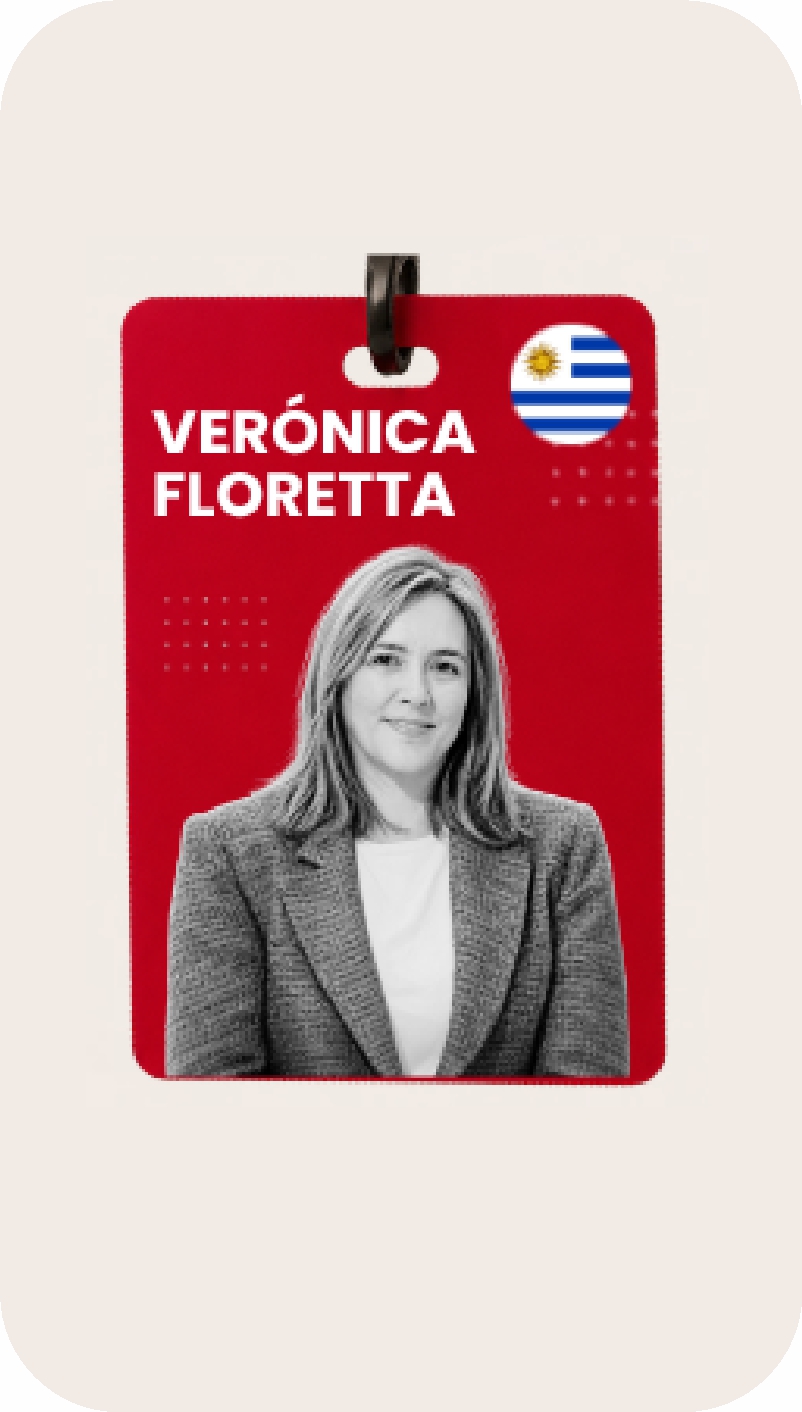
Verónica Floretta
Some of the most consequential moments in teaching occur when a teacher responds to a learner’s work. Feedback can help learners notice errors, understand what matters, recognise progress, and feel able to keep trying. However, it does not automatically lead to learning. In English classrooms, teachers make constant decisions about what to address, when to intervene, and how to respond without interrupting communication, weakening confidence, or overwhelming learners.
This practical and reflective session invites participants to look beyond correction and examine feedback as both a pedagogical decision and a human interaction. Through classroom scenarios and professional dilemmas, we will explore how task goals, learner readiness, motivation, timing, and teacher–student relationships affect whether feedback is heard, understood, and used. Participants will consider how feedback can guide language development, make learning more visible, and strengthen learners’ sense that the teacher is working with them rather than simply judging them.
The session will offer practical, classroom-friendly strategies for making feedback more purposeful, manageable, and responsive, while also identifying moments when less feedback—or a different kind of response—may better support learning.